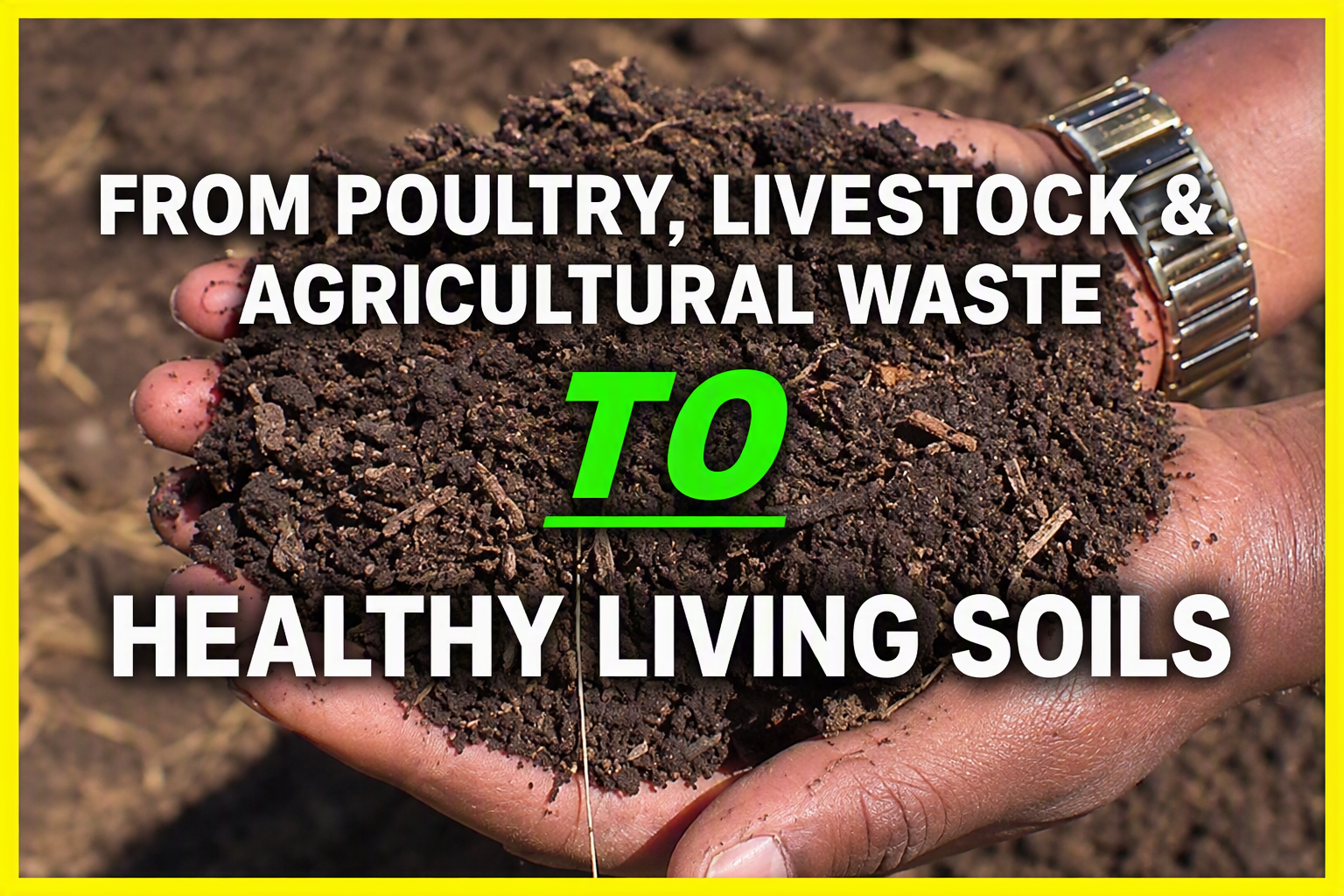
Commercial Composting Solutions – Farm to Industrial Scale
- Turn poultry, livestock and organic waste into valuable compost
- Improve soil structure, water retention and microbial life
- Reduce dependence on chemical fertilisers and turn disposal costs into revenue
- Windrow composting from small farms to large commercial sites
- Compost turners, trommel screens, conveyors and stackers from Ritingwe
Product Specifications
Product information
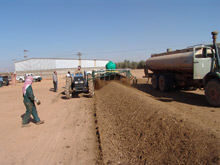
Ritingwe supplies complete windrow composting systems: compost turners to aerate and mix the rows, trommel screens to grade the finished product, and conveyors and stackers to move it. Below is why composting pays, and how to get started.
Why compost?
Chemical fertilisers feed the crop. Compost feeds the soil. It adds organic matter, improves soil structure, increases microbial and fungal activity, holds more water and builds long-term fertility.
- Improves soil structure and water retention
- Encourages microbial life and reduces nutrient leaching
- Recycles organic waste you already have
- Builds fertility that lasts for years
Many successful farmers use both: fertiliser feeds the crop today, compost improves the soil for years to come.
Why compost manure instead of spreading it raw?
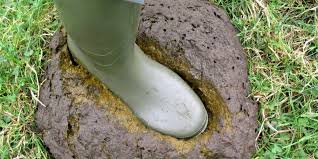
Raw kraal and chicken manure is cheap and contains nutrients, but it has drawbacks:
- Nutrients are released unevenly and can leach away in the rain
- Weed seeds, pathogens and parasites may survive
- Nitrogen losses can be high, and it can smell and burn plants
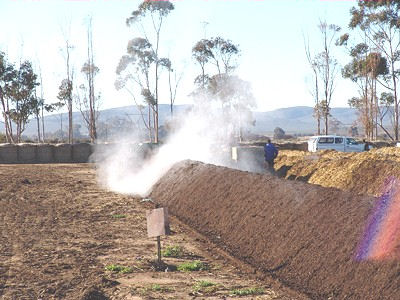
Aerobic composting heats the material, breaks it down into stable humus and makes it easier to spread evenly.
Equipment for every scale
- TM3 tractor compost turner – 3 m rows, up to 675 m³/h
- TM4 tractor compost turner – 4 m rows, up to 1,200 m³/h
- Backhus self-propelled turners – rows up to 7.5 m, up to 7,000 m³/h
- Trommel screens – grade finished compost
- Conveyors and stackers – move and stockpile material
Frequently asked questions
What can I compost?
Poultry and cattle manure, feedlot waste, green waste, crop residues and other organic by-products.
How do I know my compost is ready?
It is dark, crumbly and earthy-smelling, and stays cool after turning. Have compost and soil tested before setting application rates.
Where can I have compost or soil tested?
See the downloadable list of soil laboratories on this page.
Product Gallery